
The Ultimate Guide to Custom Stainless Steel Fabrication in USA: Quality, Precision, and Durability
When it comes to modern manufacturing, architecture, medical equipment, and heavy industry, one material stands head and shoulders above the rest: stainless steel. Renowned for its incredible strength, corrosion resistance, and sleek aesthetic, it is the backbone of countless American industries. However, standard off-the-shelf components rarely fit the bill for specialized projects. That is where tailored metalwork comes into play.
Investing in custom stainless steel fabrication in USA guarantees that businesses get precision-engineered components built to exact specifications, supporting domestic manufacturing standards, and ensuring unmatched durability.
In this comprehensive guide, we will explore the ins and outs of custom metal fabrication, why American-made craftsmanship matters, and how to choose the right partner for your next project.
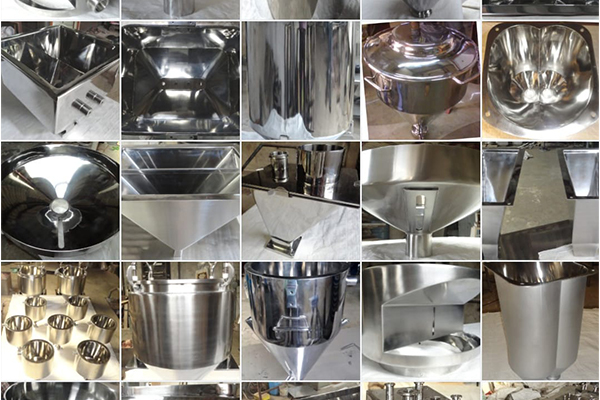
What is Custom Stainless Steel Fabrication?
Stainless steel fabrication is the process of transforming raw stainless steel—available in sheets, plates, bars, and tubes—into finished, functional products or structures. This transformation involves a series of specialized techniques, including:
- Cutting: Utilizing advanced technology like laser cutting, plasma cutting, and waterjet cutting to slice through heavy-duty metal with microscopic accuracy.
- Bending and Forming: Using press brakes and automated machinery to shape the metal into angles, channels, and complex geometries.
- Welding: Joining pieces together using TIG (Tungsten Inert Gas), MIG (Metal Inert Gas), or stick welding techniques to ensure structural integrity.
- Finishing: Grinding, polishing, bead blasting, and passivating the metal to achieve the desired aesthetic and enhance corrosion resistance.
When applied to specialized projects, this process becomes a tailored art form. Whether you need a massive industrial conveyor system or a sleek, minimalist restaurant kitchen countertop, specialized metalwork brings blueprints to life.
Why Choose American-Made Fabrication?
In a globalized economy, businesses often look overseas to cut costs. However, when it comes to critical infrastructure, food processing equipment, and architectural installations, outsourcing can lead to expensive delays, communication barriers, and subpar quality control.
Opting for custom stainless steel fabrication in USA offers distinct advantages:
1. Superior Quality Control and Compliance
American fabrication shops adhere to rigorous industry standards and regulatory frameworks, such as those set by OSHA, FDA, and ASTM. Whether your project requires sanitary welds for a pharmaceutical plant or heavy structural components for a commercial building, domestic fabricators ensure strict compliance.
2. Shorter Lead Times and Reliable Shipping
Supply chain disruptions can devastate a project timeline. By partnering with a domestic manufacturer, you drastically reduce transit times. Furthermore, communicating across time zones is easier, allowing for rapid prototyping, real-time adjustments, and quicker delivery to your job site.
3. Supporting the Local Economy
Choosing domestic metalwork supports skilled American tradespeople, engineers, and welders. It keeps manufacturing knowledge and innovation alive within the country, fostering a robust industrial ecosystem.
Key Industries That Rely on Tailored Metalwork
Stainless steel is a versatile powerhouse, making it indispensable across a wide spectrum of sectors:
- Food and Beverage: Hygiene is paramount in commercial kitchens, breweries, and food processing plants. Stainless steel does not harbor bacteria, resists acidic foods, and is easy to sanitize.
- Medical and Pharmaceutical: Hospitals and laboratories require sterile, non-corrosive surfaces. Surgical instruments, sterile workstations, and pharmaceutical mixing tanks rely heavily on precise metal shaping.
- Architecture and Construction: From striking building facades and handrails to structural supports, architects use stainless steel for both its modern aesthetic and its weather-resistant properties.
- Marine and Aerospace: Saltwater environments destroy ordinary metals. Marine-grade stainless steel (like Grade 316) withstands harsh maritime conditions, making it essential for boat fittings, docks, and offshore structures.
Understanding Stainless Steel Grades
Not all stainless steel is created equal. Before starting a project, it is crucial to understand the different grades available:
- Grade 304: The most common austenitic stainless steel. It offers excellent corrosion resistance, formability, and weldability. It is widely used in kitchen equipment, architectural panels, and chemical containers.
- Grade 316: Known as marine-grade stainless steel, this alloy contains molybdenum, which significantly increases its resistance to chlorides and industrial solvents. It is the go-to choice for coastal, marine, and pharmaceutical applications.
- Grade 430: A ferritic stainless steel that is magnetic and offers good corrosion resistance in mild environments. It is often used for appliance trims and automotive components.
A reputable fabrication shop will help you select the exact grade and finish required for your operating environment, ensuring longevity and performance.
What to Look for in a Fabrication Partner
Finding the right shop to handle your project can make or break its success. When searching for a provider of custom stainless steel fabrication in USA, keep the following criteria in mind:
1. Advanced Technology and Equipment
Metal fabrication has evolved far beyond basic hammers and torches. Look for shops equipped with state-of-the-art CNC laser cutters, robotic welders, and computer-aided design (CAD) software. Advanced technology translates to tighter tolerances, less waste, and flawless execution.
2. Experienced Engineering and Welding Talent
Machinery is only as good as the people operating it. Ensure the company employs certified welders (such as AWS-certified professionals) and experienced engineers who can review your designs, identify potential flaws, and suggest structural improvements before production begins.
3. Portfolio and Industry Experience
Ask to see examples of past projects. A diverse portfolio demonstrating successful work in your specific industry indicates that the team understands your unique regulatory and functional requirements.
The Fabrication Process: From Concept to Completion
If you are new to commissioning specialized metalwork, understanding the typical workflow can help set expectations:
- Consultation and Design: You bring your ideas, sketches, or CAD drawings to the table. The fabricator’s engineering team reviews the concept, discusses material options, and refines the design for manufacturability.
- Prototyping: For complex or high-volume projects, a prototype is often created to test fit, form, and function before full-scale production begins.
- Production: Raw stainless steel is cut, formed, punched, and welded according to the approved specifications.
- Finishing and Quality Assurance: The finished product undergoes rigorous inspection for dimensional accuracy, weld strength, and surface finish. Once approved, it is carefully packaged and shipped to your location.
Conclusion
Investing in high-end metalwork is a decision that pays dividends in durability, safety, and aesthetic appeal. Whether you are outfitting a commercial kitchen, designing a cutting-edge medical facility, or building architectural masterpieces, partnering with domestic experts ensures your project is done right the first time.
By prioritizing quality materials, advanced technology, and skilled craftsmanship, custom stainless steel fabrication in USA continues to set the gold standard for industrial excellence. Take the time to vet your manufacturing partners, understand your material needs, and bring your most ambitious metal designs to life with confidence.


